













Microbial infection control is essential for reducing the spread of bacteria, viruses, fungi and other harmful microorganisms in healthcare, aged care, disability support, education, hospitality and commercial facilities. Whether in a hospital ward, dental clinic, aged care residence, childcare centre, public washroom or home care environment, effective infection prevention helps protect patients, residents, clients, staff and visitors.
In healthcare, cleaning is not only about appearance. It supports patient safety, risk management and regulatory compliance. Infection control starts with products, equipment and surfaces that can be cleaned and disinfected safely. Events such as ISSA Cleaning & Hygiene Expo highlight the role of professional cleaning, hygiene systems and facility management in safer shared environments.
What is microbial infection control?
Microbial infection control refers to the systems, behaviours and products used to minimise the transmission of harmful microorganisms. These microbes can spread through hands, surfaces, shared equipment, droplets, airborne particles, blood, body fluids, waste, linen and contaminated objects.
A strong program includes hand hygiene, environmental cleaning, disinfection, PPE, respiratory hygiene, safe waste management, sharps safety, staff training and compliance monitoring.
Why is microbial infection control important?
Microbial infection control helps reduce healthcare associated infections, workplace illness, outbreaks and cross-contamination. It is especially important where people may be more vulnerable due to age, wounds, disability, chronic illness, medical treatment or reduced immunity.
Surfaces can act as reservoirs for microorganisms. Biofilm, a structured community of microorganisms attached to a surface, may form on wet or dry surfaces and can be difficult to see. This is why cleaning and disinfection need to be consistent, surface-suitable and supported by clear procedures.
Infection prevention also matters outside healthcare. Cleaning contractors, facilities managers, schools, hospitality venues and workplaces rely on hygiene systems to reduce cross-contamination and maintain safer shared spaces.

What are standard precautions?
Standard precautions are infection prevention measures used for all people, all the time, regardless of whether infection is known or suspected. They may include hand hygiene, PPE, safe management of blood and body fluids, respiratory hygiene, environmental cleaning, waste disposal and correct handling of reusable or single-use equipment.
What are transmission-based precautions?
Transmission-based precautions are additional measures used when a specific infection is known or suspected. They are used alongside standard precautions to reduce transmission through contact, droplets or airborne particles.
Contact precautions may be required when microbes spread through touch or contaminated surfaces. Droplet precautions may apply when infection spreads through coughing, sneezing or close contact. Airborne precautions may be needed when particles remain suspended in the air.

How can organisations improve microbial infection control?
-
Make hand hygiene easy
Hand wash, alcohol-based hand rub, dispensers and signage should be placed in visible areas such as points of care, washrooms, entrances and shared workspaces.
-
Review surfaces and equipment
Effective infection prevention starts with choosing products that can be cleaned properly. Organisations should check whether an item can be cleaned and disinfected in its environment, which disinfectants are suitable, and whether manufacturer instructions support safe use without surface damage.
-
Clean often-forgotten surfaces
High-touch surfaces such as door handles, counters, bed rails, chairs, trolleys, keyboards, bathroom fixtures and shared equipment should be cleaned regularly. Cleaning schedules should also include bed wheels, trolley wheels, privacy curtain edges, wheelchairs and wheelchair wheels.
-
Train staff and monitor compliance
Policies are only effective when staff understand how to apply them. Cleaning staff in healthcare environments perform a safety-critical role, so training should cover product use, PPE, waste handling, surface compatibility, spill response and cross-contamination risks. Refresher training and audits help support consistent behaviour.
What products support microbial infection control?
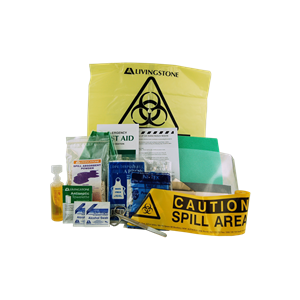
A strong infection control program is supported by products that help staff carry out hygiene and cleaning procedures safely. These may include hand hygiene products, surface disinfectants, wipes, masks, gowns, aprons, gloves, clinical waste solutions, absorbent products, mops, dispensers and washroom supplies.
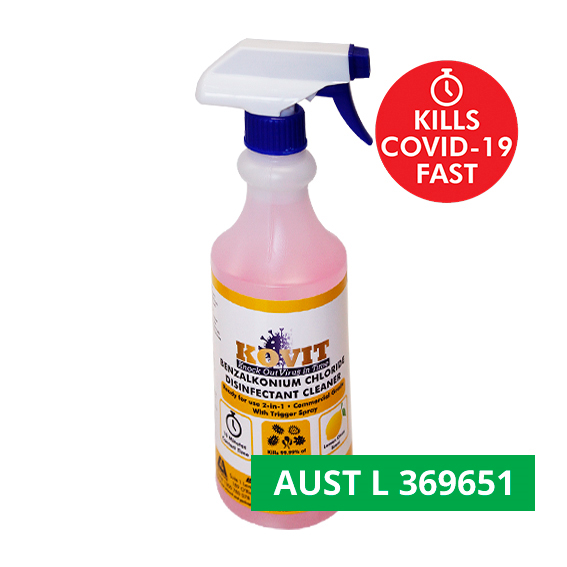
For environmental cleaning and surface hygiene, Livingstone’s KOVIT range can support routine infection control practices across suitable hard surfaces. Livingstone’s KOVIT Hospital Grade Disinfectant Cleanser is listed by the Therapeutic Goods Administration as a hospital grade disinfectant, and Livingstone’s product page describes it as an alcohol-free, neutral pH, Australian-made hard surface disinfectant cleanser.
Users should follow label directions, safety data sheets, manufacturer instructions and workplace procedures.
How do cleaning systems support infection prevention?
Cleaning systems turn infection control policies into everyday practice. Products, training, schedules, signage and stock availability all need to work together. A practical system should identify high-risk areas, high-touch surfaces, cleaning frequency, product requirements, PPE needs, staff responsibilities and surface compatibility.
Microbial infection control is a shared responsibility across healthcare, care, cleaning and facility management. By combining standard precautions, transmission-based precautions, hand hygiene, environmental cleaning, PPE, staff training and reliable product supply, organisations can minimise infection risk and support safer everyday environments.
References
Australian Commission on Safety and Quality in Health Care 2026, Standard and transmission-based precautions, Australian Commission on Safety and Quality in Health Care, viewed May 2026, https://www.safetyandquality.gov.au/clinical-topics/infection-prevention-and-control/standard-and-transmission-based-precautions.
Australian Commission on Safety and Quality in Health Care 2026, Australian Guidelines for the Prevention and Control of Infection in Healthcare, Australian Commission on Safety and Quality in Health Care, viewed May 2026, https://www.safetyandquality.gov.au/clinical-topics/infection-prevention-and-control/australian-guidelines-prevention-and-control-infection-healthcare.
ISSA 2026, About Cleaning and Hygiene Expo, ISSA Cleaning & Hygiene Expo, viewed May 2026, https://cleaninghygieneexpo.issa.com/about/.
Therapeutic Goods Administration 2026, Livingstone KOVIT: Disinfectant, hospital grade, Australian Government Department of Health and Aged Care, viewed May 2026, https://www.tga.gov.au/resources/covid-19-disinfectants/livingstone-kovit-disinfectant-hospital-grade-callington-haven-pty-ltd-ki-san-disinfectant-hospital-grade.


