













Sterilisation is a cornerstone of safe and effective healthcare delivery. In hospitals, clinics, dental practices, laboratories, and aged care environments, maintaining sterile conditions is essential to prevent infection, protect patients, and support clinical outcomes. From surgical instruments to everyday medical tools, sterilisation ensures that harmful microorganisms are completely eliminated before use.
This guide explores what sterilisation is, why it is critical in healthcare facilities, when it should be applied, and how compliance plays a key role in maintaining standards. It also touches on essential sterilisation product categories used in modern healthcare settings.
What Is Sterilisation in Healthcare?
Sterilisation is the process of eliminating all forms of microbial life, including bacteria, viruses, fungi, and spores, from surfaces, instruments, and materials. Unlike disinfection, which reduces microorganisms to safe levels, sterilisation achieves complete eradication.
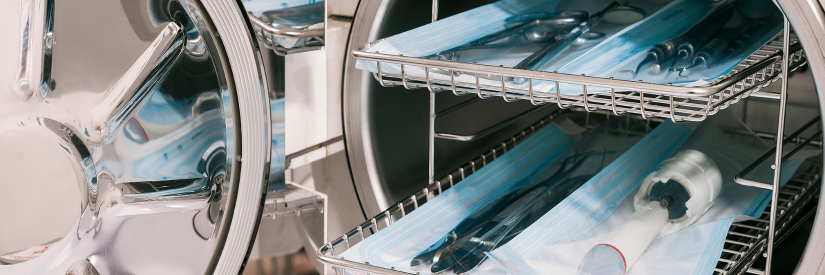
The most common method in healthcare is steam sterilisation using autoclaves. These devices use high-pressure saturated steam to destroy microorganisms effectively and consistently.
Why Is Sterilisation Needed?
Sterilisation is essential for infection prevention and patient safety. Healthcare-associated infections continue to be a major concern globally, impacting patient outcomes and increasing healthcare costs.

According to the Australian Commission on Safety and Quality in Health Care, infection prevention and control is a key standard under the National Safety and Quality Health Service Standards.
Without proper sterilisation:
- Surgical site infections can occur
- Cross-contamination risks increase
- Patient recovery times may be extended
- Healthcare facilities may face legal and compliance issues
Sterilisation protects both patients and healthcare workers by ensuring that instruments and environments are safe for use.
What Does Sterilisation Do?
Sterilisation removes all viable microorganisms from medical instruments and surfaces. This includes highly resistant bacterial spores that can survive standard cleaning and disinfection processes.
The process typically involves:
- Cleaning to remove visible debris
- Packaging to maintain sterility
- Sterilisation using validated methods such as steam or chemical processes
- Storage in a controlled environment until use
Each step is critical to ensure that sterility is achieved and maintained.
When Should Sterilisation Be Used?
Sterilisation is required whenever medical devices or instruments come into contact with sterile body areas or the bloodstream. This includes:
- Surgical procedures
- Dental treatments
- Wound care and dressing changes
- Laboratory procedures involving sterile samples
- Reusable medical instruments
It is also essential in environments where infection risk is high, such as operating theatres, intensive care units, and aged care facilities.
The Australian Guidelines for the Prevention and Control of Infection in Healthcare provide detailed recommendations on when sterilisation is required.
Key Sterilisation Products in Healthcare
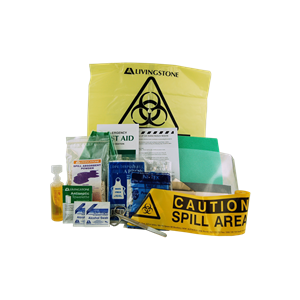
Effective sterilisation relies on the right combination of equipment, consumables, and processes. Each component plays a critical role in ensuring that instruments are not only sterilised effectively but also remain sterile until point of use. From preparation through to storage, the correct selection of sterilisation supplies helps maintain workflow efficiency, supports compliance with Australian standards, and reduces the risk of contamination.

Using the appropriate combination of these products not only improves infection control practices but also enhances traceability, process validation, and overall patient safety across healthcare settings.
Compliance and Regulatory Requirements
Sterilisation in Australia is governed by strict standards and guidelines to ensure safety and consistency across healthcare settings.
Healthcare facilities must comply with:
- AS 5369 Reprocessing of reusable medical devices and other devices in health and non-health related facilities
- National Safety and Quality Health Service Standards
- Workplace health and safety regulations
These standards outline requirements for:
- Cleaning and sterilisation processes
- Staff training and competency
- Equipment validation and maintenance
- Documentation and traceability
Failure to comply can result in serious consequences, including patient harm, regulatory penalties, and reputational damage.
The Therapeutic Goods Administration also provides guidance on medical device safety and sterilisation practices.
Best Practices for Effective Sterilisation
To ensure optimal outcomes, healthcare facilities should follow best practices:
- Use validated sterilisation equipment and processes
- Monitor sterilisation cycles with chemical and biological indicators
- Maintain proper documentation for traceability
- Train staff regularly on infection control protocols
- Use high-quality consumables such as pouches, wraps, and autoclave paper
- Ensure proper storage conditions to maintain sterility
These practices help maintain compliance and support consistent patient safety outcomes.
Sterilisation is a critical component of infection prevention in healthcare. It ensures that medical instruments and environments are free from harmful microorganisms, reducing the risk of infection and supporting positive patient outcomes.
By understanding when and how to apply sterilisation, using the right products, and adhering to Australian compliance standards, healthcare facilities can maintain safe and effective care environments.
Investing in proper sterilisation processes is not just a regulatory requirement. It is a fundamental responsibility in delivering quality healthcare.
References
- Australian Commission on Safety and Quality in Health Care 2023, Infection Prevention and Control Standard, available at: https://www.safetyandquality.gov.au/standards/nsqhs-standards/infection-prevention-and-control-standard
- National Health and Medical Research Council 2019, Australian Guidelines for the Prevention and Control of Infection in Healthcare, available at: https://www.nhmrc.gov.au/about-us/publications/australian-guidelines-prevention-and-control-infection-healthcare
- Therapeutic Goods Administration 2024, Medical Devices Guidance, available at: https://www.tga.gov.au/resources/resource/guidance/medical-devices
- Standards Australia 2023, AS 5369 Reprocessing of reusable medical devices, available at: https://www.standards.org.au


